

David Dunn on Football Pitches, Premier League Evolution, and the Reality of Surfaces Across the Leagues
Few players have experienced the changing face of English football quite like David Dunn. Bursting onto the scene with Blackburn Rovers in 1998, Dunn carved out a distinguished Premier League and Championship career, earning over 370 senior appearances across spells at Blackburn Rovers, Birmingham City, and later stepping into management with Oldham Athletic and coaching roles across the EFL.
Known for his creativity, technical skill, and unmistakable passion for the game, Dunn has played — and coached — through an era that saw English football pitches transform from winter mud patches to world class hybrid surfaces.
Charles Henderson of OBI Sports sat down to talk through Dunn’s first-hand experience of pitch evolution, training ground developments, and how surface variation affects players at every level. Interview
Charles Henderson (OBI Sports): David, thanks for joining us. Let’s start at the beginning. Your career spanned from the late 1990s through to 2022 in various roles. That means you’ve literally seen football pitches evolve through multiple eras. What were the pitches like when you started?
David Dunn: Yeah, it’s mad really when you look back. I started just after the Premier League kicked off, and even then the pitches were nothing like what you see now. We thought we had good pitches at the time — and some were — but compared to today, they’re worlds apart. Now you go on some of these Premier League pitches and they’re like bowling greens.
Charles: Blackburn were known as innovators early on. When you think about Ewood Park and its pitch over the years, what stands out?

David: Blackburn were definitely pioneers. The pitch they installed back then is still basically in place now. But you’ve seen this season a few games nearly called off with the river rising — it probably needs a bit of a revamp. Back in the day, though, with Steve Patrick and Trev — Trev still there now — they were winning Groundsman of the Year. They did an unbelievable job. I was lucky to play on surfaces like that.
Charles: You’ve lived close to the Blackburn academy for years and trained there as both a youth player and professional. How have you seen training grounds evolve?
David: It’s incredible, honestly. Brockhall was one of the first really modern academies. Before that with Jack Walker, even the old training ground was ahead of its time. I used to walk down after school for training. The pitches were fantastic even then. But now… wow. I was at Tottenham’s training ground recently and it’s the best I’ve ever seen. They don’t want for anything there. The Premier League money has taken facilities to another level entirely.
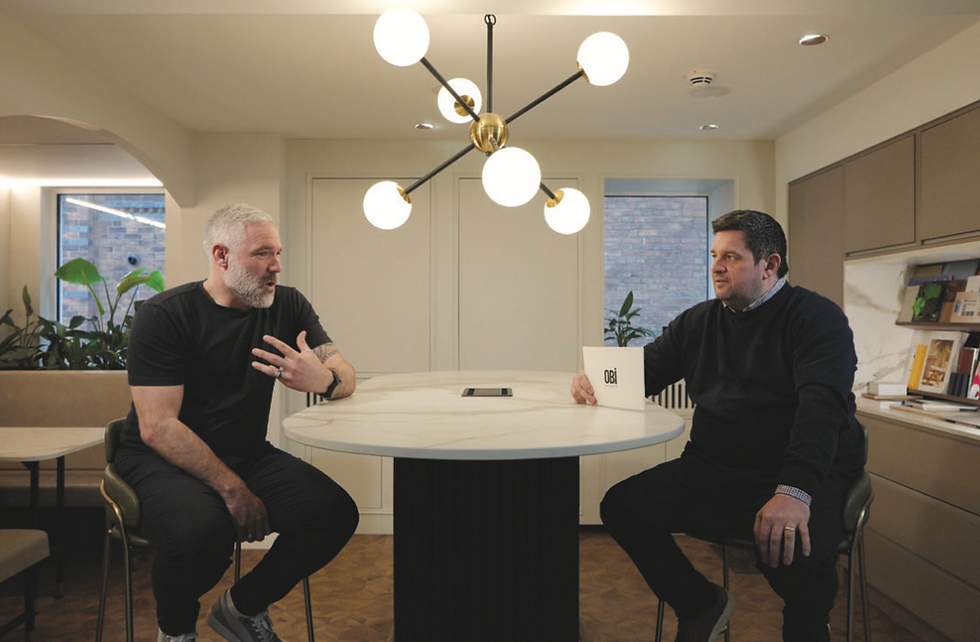
Charles: You’ve gone from Premier League pitches to managing and coaching in the Football League. How big is the difference in surfaces across the tiers?
David: Massive. Premier League and Championship — you’ll get variations but generally they’re really good. But when you get down to League One and League Two, the gap is huge. One week you’re on a brilliant surface, the next week you’re on something completely different. And pitches cost what they cost — they don’t care what league you’re in. I’m not so
Charles: Do you think this variation impacts injuries?
David: I do, yeah. If you’re on a firm, perfect surface one week and then a soft, uneven one the next, it has to have an impact. There’s definitely research going on into that. And the thing is, teams spend loads making sure their match pitch is right, but players are on the training pitch four or five times a week. If that’s not consistent with the main pitch, it’s bound to have an effect.
Charles: Last one — and we have to ask — do you blame the pitch for that famous rabona moment a few years back? (David famously tried a Rabona against Aston Villa, which ended up with him on the floor eating grass with no help from the opposition).
David: I absolutely blame the pitch! No, honestly, it was poor that day, which is why I did it… that’s my story anyway. Really, it was one of those embarrassing moments, but I’m sticking to blaming the surface. Much easier that way!
Charles: I’d like to personally thank David for taking the time to talk through pitches with us. In a world of increasingly inaccessible footballers, David is one of those professionals who managed to demonstrate complete professionalism whilst remaining authentically himself on and off the pitch, a rare quality.

